Texas Backup Power Has Outgrown the Gas Can
- Home Improvement
Tereso bonanza
- 0
- 9 minutes read
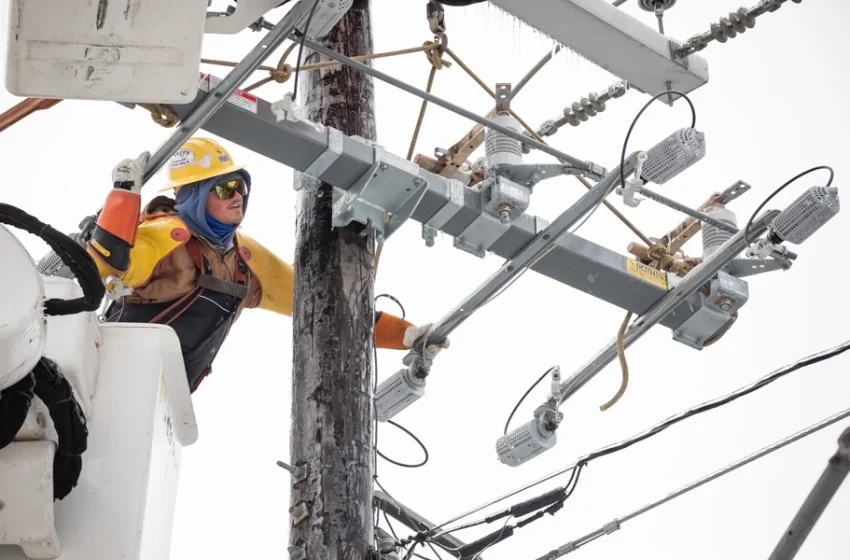
For decades, a Texas power outage followed a familiar routine. Someone pulled a portable generator out of the garage, ran extension cords through a cracked window, and rationed gasoline until the lines came back. That routine is fading. Longer outages after Gulf storms, the memory of the February 2021 freeze, and a new state electrical code have pushed homeowners toward backup power that is designed, permitted and maintained like any other system in the house.
That shift toward planned backup power is the work Alpha Electrical Solutions was built around. As an authorized Briggs & Stratton dealer with licensed crews based in Pharr, Harlingen, Brownsville, Rio Grande City and Rowlett, the company sizes and installs standby generators, keeps existing units on a maintenance schedule, and handles the breaker, outlet and panel replacements that often have to come first. Its 24/7 emergency line covers the nights when a storm arrives before the plan does, and a free estimate is the simplest way to find out what your home actually needs.
Powering the House Through the Back Door
The old shortcut was a homemade cord with two male plugs, pushed into a dryer outlet to feed the whole panel. Electricians call it backfeeding, and it is dangerous in both directions. Power can flow out through the meter onto utility lines and reach the crews restoring them, and when grid power returns, it can slam into the generator and wreck it. Cords strung through open windows created the other big risk. The Consumer Product Safety Commission has reported that about 85 people a year die from portable generator carbon monoxide, mostly at home.
The current approach removes the improvising. A portable unit connects through an outdoor inlet box and a breaker interlock or manual transfer switch, so the house can never be tied to the grid and the generator at the same time. A standby unit goes further with an automatic transfer switch that senses the outage, starts the engine, and moves the load over within seconds, whether anyone is home or not.
Sizing Around the Air Conditioner
A typical portable generator in the 5,000 to 7,500 watt range was bought to keep a refrigerator, a few fans and some lights running. That worked in a mild outage. It does not work in August in McAllen or Harlingen, where a dead air conditioner can turn a house dangerous for older relatives within a day.
Modern sizing starts with the central AC compressor, because its starting surge is several times its running draw. Electricians now work from a formal load calculation, which the 2026 NEC moved into a new Article 120, and then decide between a larger air cooled unit, a soft start kit on the compressor, or load management modules that briefly drop the water heater, dryer or a second AC unit while the first one starts. Those modules let a mid sized generator run a whole house that would otherwise demand a much bigger machine.
Fuel Without a Gas Station
Gasoline was always the weak link. After a hurricane, stations without power cannot pump, and stored gas goes stale within weeks unless it is stabilized. Standby systems run on natural gas from the street where it is available, or on a propane tank in rural parts of Starr and Hidalgo counties. A mid sized unit can burn a few gallons of propane an hour under moderate load, so tank size decides how many days of coverage you really have. The gas connection is its own job, usually requiring a licensed plumber, a separate permit, and sometimes a larger meter from the gas utility.
Terms That Replaced the Old Vocabulary
Interlock kit and automatic transfer switch. An interlock is a sliding plate on the panel that blocks the main breaker from being on while the generator breaker is on; an automatic transfer switch does the same job electronically and without a person present.
Essential circuits and managed whole house. The first powers a chosen subpanel of must have loads; the second covers everything, with a controller deciding which large appliances wait their turn.
Air cooled and liquid cooled. Air cooled units cover most homes; liquid cooled units suit very large houses and light commercial buildings that run for long stretches.
Exercise cycle. A short scheduled self test, usually weekly or every other week, that keeps seals lubricated and flags a weak battery before an outage does.
Paperwork That Used to Get Skipped
A portable generator was a purchase. A standby generator is a construction project. The Texas Department of Licensing and Regulation adopted the 2026 National Electrical Code as the statewide minimum effective September 1, 2026, carving out a limited exception on GFCI rules for certain outdoor outlets. Cities across the Valley and the Dallas area enforce that code through their own permit and inspection process, so a standby install generally means an electrical permit, a gas permit, and an inspection before the system is put into service.
Placement rules matter too. Manufacturers set minimum distances from windows, doors and vents, and recent NEC editions require an outdoor emergency shutoff on larger home generators so firefighters can stop them without going inside. In flood prone parts of Cameron County, the concrete pad is often raised above expected water levels.
| Decision point | Portable era habit | Standby era practice |
|---|---|---|
| Connection | Cord into dryer outlet | Inlet box with interlock or automatic transfer switch |
| Capacity | Fridge, fans, lights | Load calculation built around the AC |
| Fuel | Gasoline cans | Natural gas line or propane tank |
| Startup | Pull cord after dark | Automatic start within seconds |
| Approval | None | Electrical and gas permits, city inspection |
| Upkeep | Start it before storm season | Scheduled exercise cycles and annual service |
Upkeep Built for Heat, Salt and Ice
The old maintenance plan was to pull the cord once in June and hope. Texas conditions punish that. Heat shortens starter battery life, so batteries in Valley installations often need replacement sooner than the label suggests. Salt air near Port Isabel and Brownsville corrodes enclosures and terminals, and fire ants are known to nest inside warm control panels, chewing wiring and shorting boards.
Current service practice treats the generator like an HVAC system. An annual visit covers oil, filters, spark plugs, battery testing, valve clearance, and transfer switch operation under real load. In North Texas, a cold weather kit with a battery warmer helps the engine start during ice storms like the one that knocked out power across the state in 2021. Many newer units also report faults through a phone app, so a failed exercise cycle shows up long before the next storm.
Where the Old Way Still Fits
Not every household needs a standby system. A portable generator connected through a properly installed inlet and interlock remains a safe, code compliant option for renters, smaller homes, and tighter budgets. Federal guidance on running generators safely during power outages still applies to that setup: outdoors only, well away from windows, and kept dry. What has truly disappeared is the improvised version. Texas outages now last long enough, and the code is specific enough, that backup power deserves the same planning as the panel it connects to.
