The Rise of Mansory: Inside the Wild World of Custom Luxury Cars
- Auto
Elvia Byrd
- 0
- 7 minutes read
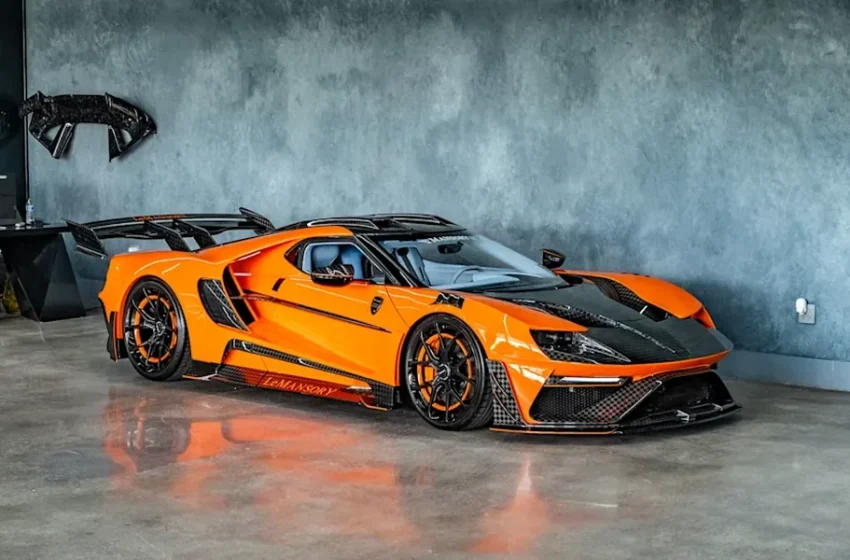
Six figures. That’s the markup you can pay for a body kit, a set of forged wheels, and an interior that smells like a private jet. Mansory builds cars that make a stock Lamborghini look shy, and the people who buy them aren’t doing it for subtlety.
I’ve spent enough time around modified exotics to know the split reaction these builds get. Half the room calls them art. The other half calls them a crime against a perfectly good Ferrari. Both camps are right, and that tension is exactly why the brand keeps selling out. Dealers who move these cars, like the team behind the official Mansory luxury vehicles hub in Miami, lean into the drama instead of hiding it. The car isn’t transportation. It’s a signature.
So here’s what you’ll actually get out of reading this: the backstory of how a small German tuner became a global name, the mods that justify the price, and a practical checklist for anyone seriously considering one.
Who Is Mansory, and Why Does Everyone Argue About It?
Mansory started in Germany in the late 1980s, founded by a man named Kourosh Mansory. Early work was tame by today’s standards: wheels, trim, interior swaps for British and German luxury brands. That’s a pretty ordinary origin story for a tuner.
Then the company pivoted hard. By the 2000s it was building full conversions on Ferraris, Rolls-Royces, and G-Wagons, replacing nearly every panel with forged carbon fiber and rebuilding cabins in leather that costs more than most sedans. That pivot is the whole story. A tuner that once sold wheels became a brand that stamps its name onto the car itself.
Critics will tell you Mansory goes too far. Owners will tell you that’s the point. If you want a restrained build, dozens of shops will happily give you one. Nobody buys a Mansory because they want to blend in at cars and coffee.
What Actually Goes Into a Build
Strip away the spectacle and a Mansory conversion comes down to three layers of work. Each one is where the money goes.
- Bodywork: forged carbon fiber hoods, fenders, splitters, and diffusers, often shaving weight while widening the stance.
- Wheels and stance: oversized forged alloys, custom offsets, and suspension tuning so the car sits lower without ruining ride quality.
- Interior: quilted leather, embroidered headrests, custom dash trim, and color combos you can’t order from the factory.
Under the hood, many builds get ECU work and exhaust upgrades too, though the headline numbers vary by donor car. A Mansory-tuned G-Wagon and a Mansory-tuned Rolls-Royce don’t share a spec sheet, and anyone who quotes you one blanket horsepower figure is guessing.
The craft itself sits inside a much older tradition. Custom coachbuilding and hand-finished interiors trace back centuries, and institutions like the Smithsonian have documented how decorative arts and skilled craftsmanship shaped consumer culture long before anyone bolted carbon fiber to a supercar.
A Concrete Example: The G-Wagon Problem
Let me give you a real scenario instead of theory. Say you own a base Mercedes G-Class. Great truck, but every third driveway in your neighborhood has one. You want it to feel like yours.
You could wrap it, swap the wheels, and call it done for a few grand. Or you go full conversion: widebody panels, a redesigned front fascia, a cabin redone in two-tone leather with your initials stitched in. One of those gets a nod at the gas station. The other gets strangers filming you at red lights.
I’d pick the second option every time, and not because I have money to burn. The G-Class is a box. It’s been the same box for decades. If you’re going to drive a box, at least drive a box nobody else has. That’s the logic Mansory sells, and it’s honest logic.
Buying One Without Getting Burned
Here’s where I get blunt. The aftermarket for modified exotics has more bad actors than good ones. A six-figure build attracts six-figure scams, and the Federal Trade Commission has repeatedly warned consumers about high-dollar vehicle fraud and misleading sales claims. That warning applies double to niche, low-volume cars with fuzzy provenance.
So treat the purchase like a title search on a house. Work through these steps before any money moves:
- Verify the conversion is genuine. Ask for build documentation, photos from the shop, and any certificate that came with the car.
- Confirm who did the work. A real conversion leaves a paper trail. A clone usually doesn’t.
- Get a pre-purchase inspection from a shop that specializes in exotics, not a general mechanic.
- Check the service history on the donor car. Modified or not, the base vehicle’s maintenance record still matters.
- Price it against comparable builds, not against a stock version of the same model.
If a seller gets cagey about any of that, walk. There’s always another car.
Why These Cars Hold Value
Limited production is the whole engine here. When a tuner builds a handful of examples of a given model, you’re not buying a car so much as a numbered object, and scarcity tends to protect value in the collector market. The broader luxury goods sector reflects the same pattern. According to the Bureau of Labor Statistics, consumer spending on high-end goods has remained a durable category even when broader discretionary spending tightens.
That doesn’t mean every build appreciates. It means the well-documented ones from established names hold up better than one-off projects with no history. Provenance beats hype, every single time.
The Bottom Line
Mansory isn’t for everyone, and it isn’t trying to be. It’s a brand built on the idea that a luxury car should be loud about being yours. If that idea appeals to you, the homework is the same as any serious exotic purchase: verify the build, inspect the car, and buy from someone who can prove what they’re selling.
The real question isn’t whether a custom supercar is worth the money. It’s whether you can live with everyone knowing exactly how much you spent. Can you?
