Nail Trims and Anal Gland Care: The “Small” Pet Services That Prevent Big Problems
- Pets
Clare Louise
- 0
- 8 minutes read
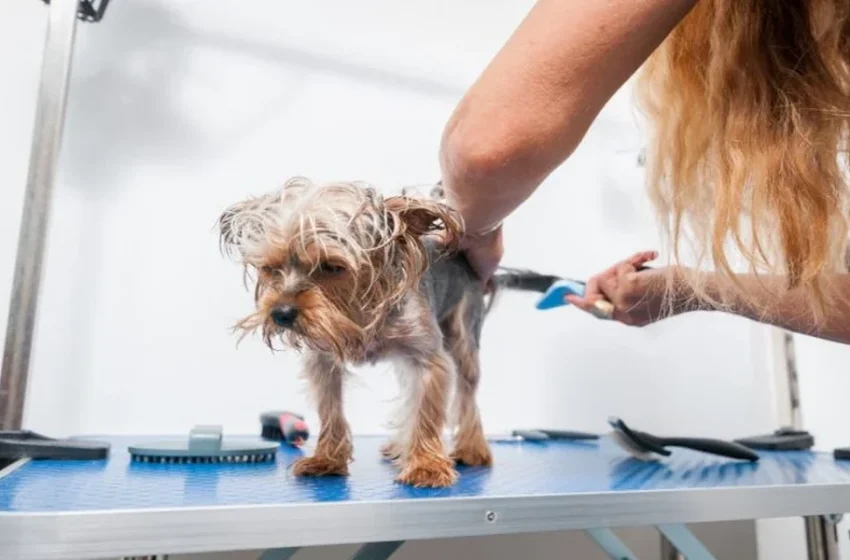
You notice the clicking on the floor before you notice anything else. Then your dog starts sitting oddly, licking the rear more than usual, or scooting across the rug in a way that makes your stomach drop. These are the kinds of pet care issues people often put off because they seem minor, awkward, or easy to handle later. They are not minor when they start causing pain, injury, or infection, which is why prompt attention and access to veterinary services in Southwest Houston can make an important difference.
Nail trims and anal gland care sit in that category of routine services that look small from the outside and save you from much bigger problems later. Overgrown nails can change the way a dog stands and walks, strain joints, and tear painfully. Full or irritated anal glands can turn into inflammation, abscesses, and repeated discomfort. A veterinary clinic can help you stay ahead of both, especially if home care has become stressful for you or your pet.
Pet nail care and anal gland maintenance affect comfort every day
Long nails do more than scratch your floors. When nails touch the ground constantly, they push the toes upward and shift weight back onto the joints. That change can be subtle at first. Your dog hesitates on hard surfaces, slips more often, or resists having the paws touched. If a nail snags and tears, what was an overdue trim becomes a painful injury and an urgent visit.
Washington State University offers a clear guide on how to clip a dog’s nails, and even that simple process can be hard when your dog is anxious, wiggly, or has dark nails that make the quick hard to see. One bad experience can turn future trims into a wrestling match. You are not failing if that sounds familiar. A lot of people dread this task because their dog dreads it first.
Anal glands bring a different kind of stress. The signs are easy to miss until they are not. Scooting, licking, a fishy odor, swelling near the rectum, or sudden pain when sitting can all point to anal sac trouble. Cornell’s overview of anal sac diseases in dogs explains that impaction and infection can progress quickly. What starts as pressure can become an abscess that ruptures through the skin. That is painful, messy, and far more expensive than a routine check.
This is why routine pet grooming services are not just about neatness. They are part of basic preventive care. The goal is comfort first, then function, then avoiding the crisis that arrives after weeks of subtle warning signs.
Putting off small services often creates bigger veterinary problems
The pattern is common. A dog hates nail trims, so you wait another week, then another month. The nails curl more, the paws become sensitive, and the next trim gets harder. Or your dog scoots once, then seems fine, so you watch and wait. A few days later there is swelling, a bad smell, and obvious pain. Delay usually makes both issues harder to treat.
There is also the home care question. Some pet owners can trim nails safely and monitor gland issues with guidance. Some cannot, and that is simply the reality. A frightened dog can jerk at the wrong second. A cat can twist and scratch. Anal gland expression is especially tricky because discomfort, inflammation, and anatomy matter. Bristol’s clinical guide on expressing canine anal glands shows why technique matters and why painful or recurring cases should be handled in a medical setting.
The financial side matters too. A routine service is usually predictable. A torn nail, sedation for a severely stressed pet, treatment for infected anal glands, or surgery for repeated gland disease is not. Preventive care tends to cost less because it avoids the chain reaction.
DIY care and professional veterinary clinic visits are not equal in every case
| Service | At-Home | Veterinary Clinic |
|---|---|---|
| Nail trims | Works best for calm pets and owners comfortable identifying the quick | Safer for dark nails, anxious pets, overgrown nails, or past injuries |
| Anal gland expression | Higher risk if the pet is painful, inflamed, or misdiagnosed | Better for confirming whether glands are full, infected, abscessed, or normal |
| Stress level | Can be low with training, can be very high after one bad attempt | Staff restraint methods and medical assessment reduce risk in difficult cases |
| Cost over time | Lower upfront if care goes smoothly | Often lower overall when it prevents tears, infections, and repeat trauma |
| Best use | Maintenance between visits for stable pets | First step for recurring problems, pain, odor, swelling, or fear |
Preventive pet services make the most sense when you look at the whole picture. Time, stress, injury risk, and the chance of missing an early medical problem all count.
Simple steps can make nail trims and gland care more manageable
Track the early signs. Listen for nails clicking on hard floors. Check for licking, scooting, odor, swelling, or sensitivity around the rear. Write down when you notice changes. Patterns help your veterinary clinic decide whether this is routine maintenance or a medical issue.
Do not force home care after a bad experience. If your pet panics during nail trimming or seems painful around the anal glands, stop. Forcing the issue usually builds fear and raises the chance of injury. Calm handling, short desensitizing sessions, and professional help protect your pet’s trust.
Set a routine before there is a crisis. Ask your veterinary clinic how often your pet should have nails checked and whether recurring anal gland problems need diet changes, weight management, stool support, or further testing. A schedule is easier than guessing, and it turns these services into regular care instead of emergency care.
Small pet services protect comfort, mobility, and peace of mind
You do not need to wait until your pet is limping, scooting constantly, or clearly in pain to take this seriously. Nail trims and anal gland care are basic services with a lot riding on them. They protect movement, reduce stress, and head off problems that are far harder on your pet once they escalate.
If your pet is showing signs of overgrown nails or anal gland trouble, schedule a visit with a veterinary clinic and get ahead of it before a small issue becomes a painful one.
