3 Traditional Ornamental Garden styles to Inspire your next design!
- Home
Laura Daniel
- 0
- 10 minutes read
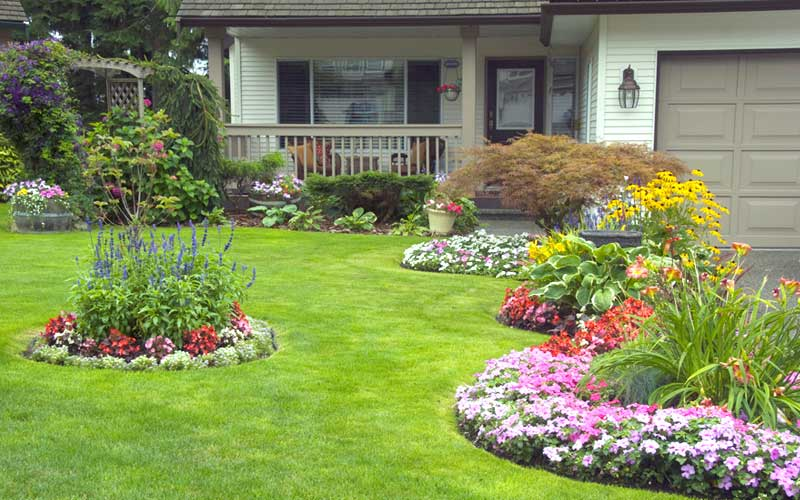
When the rulers of the ancient empires designed their gardens, history tells us they liked to show off their power by designing ornamental gardens containing plant species from the far-away lands they had conquered. A power statement maybe, but the tradition of ornamental gardens has its roots embedded deep in various cultures, and with beautiful recurring themes, their design prowess lives on today.
It turns out you too, can create your own ornamental garden using the same plants, stylistic features, and themes as these ancient kings (and landscape architects) did long ago. Here are three different approaches – all using ornamental garden pools and ornamental garden trees to lift your garden to new heights.
1. Traditional Japanese ornamental gardens
Sometimes called Zen gardens, Japanese gardens feature some of the most beautifully structured landscapes and plant collections around the world. With an elegance and simplicity that is almost breathtaking, it’s no wonder the Japanese garden has become a highly sought-after aesthetic.
Landscapers around the world have been practicing emulating these famous gardens in their own home climates for years, and now we’re going to share those secrets with you!
How to emulate the Japanese garden style
Building a Japanese garden from scratch can be very rewarding. Once you have your space planned out the right plants in the right places – it all comes together very naturally. You may find Japanese gardens, although strictly planned in a traditional sense, leave a lot of licence to get creative with your garden space. Here are a few necessities to consider including:
- Ornamental garden pools. Water features are a basic building block of any classy Japanese garden
- Use pavers and gravel for flat open spaces and pathways
- Incorporate natural rocks and stones into the design to create interesting synergies
- Use a subtle gateway into the garden
Stylistic tips for Japanese ornamental gardens
When it comes to emulating this style, it comes down to the details, and indeed, the overall vision. Here are a few pointers when getting started:
- Less is more – don’t overcrowd a space, and keep the colours under control.
- Keep your garden balanced – this idea of balance is very important to Japanese culture
- Use a rake to draw lines in the sand – this creates an artistic element to your space – which you can change anytime.
Plants for a Japanese ornamental garden
Choosing the right plants is key in finishing off the design. Here’s some to consider:
- Zoysia Grass. The grass is a key element in Japanese garden design. Zoysia grass is a type of creeping grass that gives the silky feel you find in many Japanese ornamental gardens.
- Hakonechloa (Hakone Grass) is a luscious medium grass that grows in a clump ideal for pulling focus in your minimalistic garden design. Plant next to your water feature for the full effect.
- Of all the ornamental garden trees, none other is more beautiful than the cherry tree. A highly significant tree to Japanese culture, everyone’s seen a picture of the cherry blossoms blooming in the Japanese Spring.
- Rhododendrons are a perfect dash of pink that can easily substitute the pink of cherry blossoms. Watch out for Perth’s alkaline soils – you’ll want to make sure your soil has enough acidity for these ones.
- Wisteria can provide stunning height to a garden by climbing up structures such as gates and arches.
2. English ornamental gardens
The British are famous for their gardens – from formal ornamental gardens to more rough country-cottage designs, there are endless inspirations to be drawn from these styles and themes. If you’ve ever visited the famous Kew gardens or any of the botanical gardens you’ll have a deep appreciation for their wealth and richness in colour and variety. But what makes an ornamental garden truly British?
British garden features and themes
There’s something so unique about the subtle British garden that speaks to the inner gardener in all of us. Here are some classic British themes to include in your masterpiece:
- Neatly trimmed hedges
- Plenty of colour – not necessarily ordered in any particular way.
- Levels – all different shapes and sizes of plants.
- Have a seating area – even if it’s just a bench.
- Plant roses – everywhere.
- Make a statement with ornamental garden trees
Plants for a truly British affair
Remember planting a British ornamental garden isn’t exactly about going “crazy with flowers and vines” rather it should encapsulate a bit of class, but not at the expense of being fun and luscious at the same time. Here are a few plants to include:
- These wonderfully mystical tubular flowers add a hanging array of stunning pinks and purples. Grow along a lattice or over a gateway or arch to allow the flowers to hang down.
- A must-have for British gardens. These lavender coloured tall flowers provide a romantic feel to the scene.
- Roses and Rambling Roses. How typical do you want to go? These are essential for a British ornamental garden – plant basically anywhere and they’ll fit in.
- Hedges – if you’ve got space – a well-combed hedge will bring your garden up to the level needed to satisfy a relative of King Henry.
- English Oak trees are the perfect ornamental garden trees for your British garden affair – even a young oak tree is worth the wait until it’s fully grown.
3. Indian Ornamental Gardens
Indian ornamental gardens are often associated with lavish green expanses, dappled with red flowers and containing highly diverse and often rare plants. Creating a garden that emulates this lavish style can be exciting and challenging. Here’s how to proceed:
Indian garden themes and stylistic conventions
Indian ornamental gardens are wondrous to behold. They should overwhelm the senses, and bright colours and interesting shapes should drag the eyes everywhere. Creating an Indian inspired ornamental garden should make use of the following:
- Eye-catching centrepiece such as covered seating areas or pergolas with a coating of lush vines
- Combining overgrown, rambling vines with ordered hedges and strong lines
- Ornamental garden pools and fountains as a means of irrigation as well as a statement piece
- A diverse range of plants and colours
Plants to include in an Indian ornamental garden
When planting – make sure you’re aware of the flowering times, as some plants will flower at different times – so grouping them accordingly can make all the difference.
- Lagerstroemia (Pride of India) Only flowering in the height of summer, this small ornamental garden tree is highly adapted to the Australian climate.
- Fishtail Palm – palms are essential to include, southern India’s tropical influence plays a big part in more formal ornamental and colonial-style designs.
- Giants Thuja – a native east Asian cedar that is also part of the ornamental garden trees club has delicate foliage that looks brilliant when planted as a hedge or in a line.
- Marigolds – a burst of orange and yellow – these flowers are a great way to spice up your Indian ornamental garden.
- Lotus flower – these can be a central feature on their own. The Lotus holds spiritual significance in India – and its beauty is unparalleled.
- Zinnias – these stoic flowers are easy to maintain and are excellent in Australia’s hot climate.
Need more inspiration? Let the experts at Luke’s Landscaping give you a hand
With years of experience designing and building ornamental gardens that flourish in Perth’s unique climate – give us a call and we can discuss your plans.
