The Mechanics of Rock Boring: Engineering Solutions for Tough Terrain
- Auto Featured
William N. Ferranti
- 0
- 4 minutes read
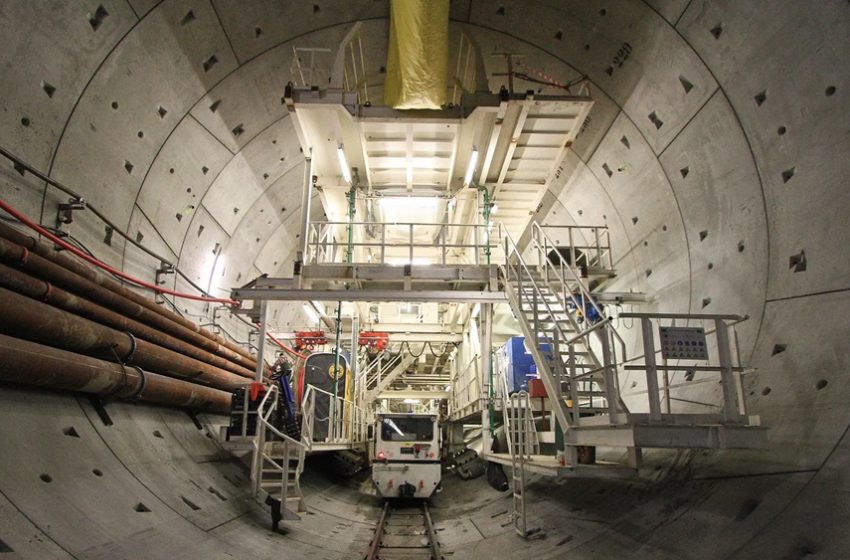
Directional drilling is often straightforward in clay or silt, but when the drill path encounters solid rock—granite, limestone, or sandstone—the engineering requirements change dramatically. To maintain the “trenchless” advantage in these conditions, specialized rock-boring technology is required.
Breaking the Surface: Air Hammers and Mud Motors
Traditional “jetting” bits used in soil are useless against solid rock. Instead, engineers employ two primary methods:
- Pneumatic Air Hammers: These work similarly to a jackhammer but are mounted on the end of the drill string. They use high-pressure compressed air to deliver rapid, high-impact blows that fracture the rock face. This is often paired with biodegradable rock drill oil to lubricate the mechanism and protect the environment.
- Mud Motors: In this setup, the drilling fluid (a mix of water and bentonite) is pumped down the drill string at high pressure. This fluid drives a turbine near the bit, spinning the drill head at high speeds without needing to rotate the entire drill string. This allows for much more precise steering through hard formations.
Managing the Borehole: Centrifuges and Recycling
When drilling through rock, the “cuttings” (the pulverized stone) must be removed from the hole to prevent the drill string from becoming stuck. This is achieved through a “mud circuit.”
A specialized drilling fluid is pumped into the hole, which carries the cuttings back to the surface entry pit. From there, the fluid is sent to a Recycling and Centrifuge System. These machines spin the fluid at high speeds to separate the rock particles from the liquid. The cleaned fluid is then pumped back down the hole to be reused. This closed-loop system is essential for maintaining site cleanliness and reducing the environmental footprint of the project.
Precision Guidance in High-Interference Areas
Drilling through rock often takes place deep underground, where standard GPS or radio signals can struggle. In these scenarios, Wire-Line Guidance is the gold standard. A wire is run through the center of the drill pipe, connecting the drill head directly to the operator’s console. This provides a constant stream of data regarding the “clock position” (the direction the bit is facing), the pitch (the angle of climb or descent), and the exact depth. This allows for sub-decimeter accuracy even when the drill is 20 meters below the surface.
