Observing From a Respectful Distance Protects Elephants and Their Natural Routines
- Travel
Robert Desauza
- 0
- 6 minutes read
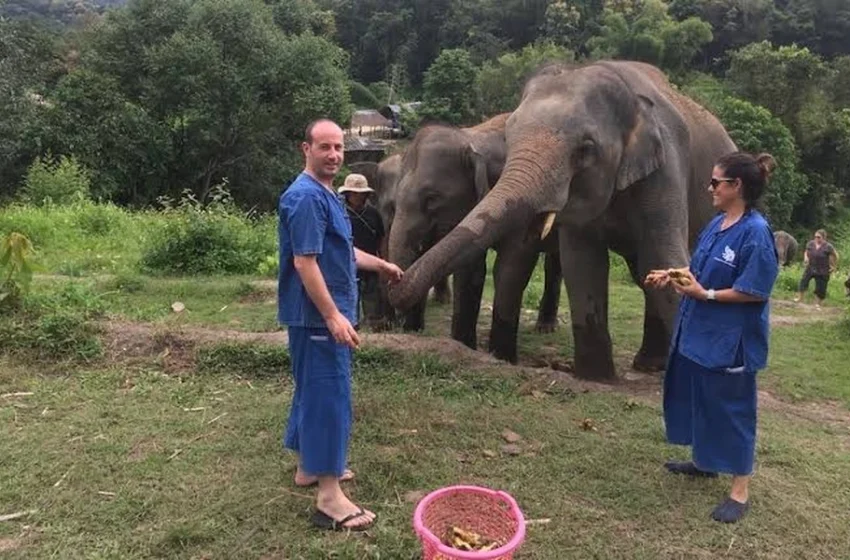
Many visitors expect to touch, feed, or bathe elephants during a sanctuary visit. Genuine welfare centres take a different approach. Anyone choosing an ethical elephant sanctuary thailand should expect to watch elephants from platforms, trails, or open viewing areas rather than up close.
People searching this topic usually want to understand why distance matters. They also want to know what a good observation visit looks like and how to behave once they arrive.
Without clear guidance, visitors often push for closer contact than is healthy. That can stress the animals, interrupt their routines and put people at risk.
Why Distance Matters?
Instinct tells many visitors that closer means better. For elephants, constant human contact often means stress and disrupted behaviour. A structured approach puts the animals’ needs first.
- Elephants behave naturally when people stay back.
- Feeding and touching create unhealthy dependence on humans.
- Calm, quiet groups cause less disturbance.
- Guides set safe distances for good reasons.
- Observation still allows clear views and photos.
Use Viewing Platforms
Many sanctuaries build raised platforms near foraging areas or water holes. These give visitors a clear view while keeping a safe gap.
From a platform, you may see elephants dust bathing, feeding on grasses, or interacting within their group. The limitation is that elephants choose where to roam, so some visits offer closer sightings than others.
Follow Guided Trails
Guided walks allow visitors to follow herds at a respectful distance. Guides read elephant behaviour and adjust the route to avoid crowding the animals.
In real conditions, this means sometimes waiting quietly or turning back. The difficulty is that visitors hoping for constant action may feel disappointed when elephants rest or move out of view.
Keep Groups Small and Quiet
Small groups reduce noise and stress. Many welfare centres limit visitor numbers for this reason.
Speaking softly and avoiding sudden movements helps elephants stay relaxed. Even so, one loud group nearby can disturb a herd, which is why sanctuaries enforce visitor rules firmly.
Read Elephant Body Language
Learning basic signals helps visitors understand what they are seeing. Relaxed elephants feed steadily, flap their ears gently, and move at an easy pace.
Raised trunks, wide-spread ears, or sudden stillness can signal alertness or unease. At a well-run ethical elephant sanctuary thailand, guides explain these signs and move groups back when needed. The challenge is that signals vary between individual elephants, so guide instructions always come first.
Your Action Plan
- Choose a sanctuary that bans riding, bathing, and hand feeding.
- Read its visitor guidelines before booking.
- Arrive on time to join the briefing session.
- Stay on platforms or marked trails throughout the visit.
- Keep voices low and avoid sudden movements.
- Turn off camera flash and use zoom instead.
- Follow every instruction from guides immediately.
- Ask questions about each elephant’s history and care.
Reality Check
Many visitors struggle because marketing photos show people hugging or bathing elephants. Expectations built on those images make observation feel less exciting at first.
Another common mistake is assuming rescued elephants are tame. They remain large, powerful animals that can react unpredictably. Conditions also change daily, since weather, health, and herd dynamics affect where elephants go and how they behave.
Building Better Habits
Respectful observation becomes easier with practice. Before each visit, read about elephant behaviour and the sanctuary’s rules.
Afterward, think about what you noticed and what you might do differently next time. Sharing honest reviews that highlight welfare standards also helps other visitors choose responsible places.
Frequently Asked Questions
- Why can’t visitors touch the elephants? Touching and feeding can cause stress, dependence, and safety risks.
- Will I still see elephants clearly? Yes. Platforms and trails usually offer good views and photo opportunities.
- What should I bring? Comfortable shoes, water, sun protection, and a camera with zoom.
- Are rescued elephants dangerous? They can be unpredictable, so following guide instructions is essential.
- How can I tell if a sanctuary is genuine? Look for clear policies against riding, bathing, hand feeding, and shows.
Watching elephants from a respectful distance may feel unfamiliar at first. Over time, it reveals far more about who these animals really are. You do not need a perfect visit to make a difference. Choosing welfare-focused places, following guidance, and staying patient each time will protect elephants far better than any close encounter.
