What A Veterinary Clinic Checks When A Pet’s Coat Or Energy Level Changes
- Pet Health
Tereso bonanza
- 0
- 9 minutes read
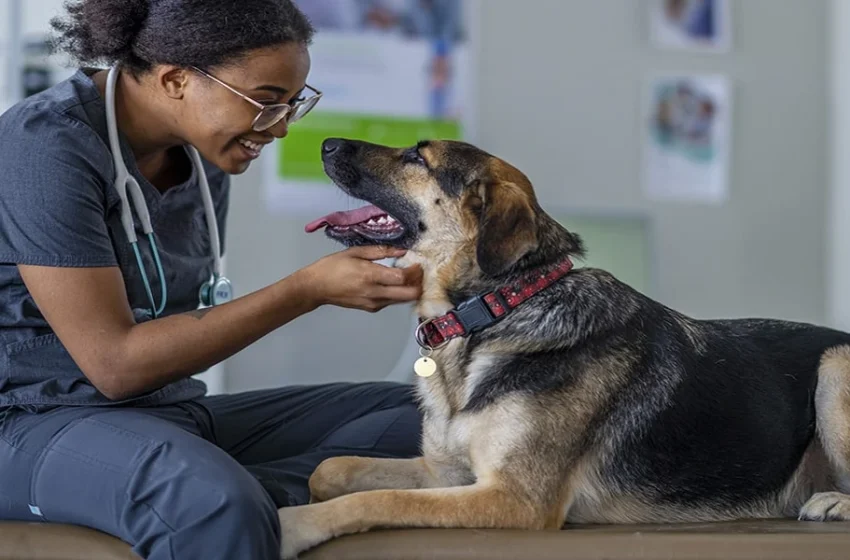
You notice it in small ways first. Your dog’s coat looks dull when it used to shine. Your cat sleeps more, stops jumping to the window, or seems thinner under your hand. Maybe your pet still eats, still greets you, still acts mostly normal, which makes it harder to tell whether this is a bad week or something that needs attention. That uncertainty wears on you, and it may be time to seek veterinary care in Delaware, Ohio.
Changes in coat quality and energy often point to problems that start inside the body, not on the surface. A veterinary clinic usually looks at the skin and fur, then goes deeper into diet, thyroid function, anemia, parasites, pain, infection, and organ health. The goal is not just to treat dry fur or fatigue. It is to find the reason those changes showed up in the first place.
Coat and energy changes often come from the same underlying problem
A rough coat and low energy can happen together because the systems that support skin, muscle, blood, and metabolism all overlap. If your pet is not getting enough nutrients, if hormones are off, or if red blood cells are low, the body starts to conserve energy. One of the first places that shows wear is the coat.
This is why a pet wellness exam for coat and fatigue usually starts with a full history. The clinic will ask when you first noticed the change, whether appetite or weight also shifted, whether there is itching, hair loss, vomiting, diarrhea, limping, or new behavior. Age matters. Breed matters. Indoor and outdoor habits matter. Flea exposure matters. Medication changes matter. The details help narrow a very long list of possibilities.
A hands-on exam comes next. Your pet’s skin, coat texture, body condition, heart rate, gum color, temperature, hydration, joints, and belly all offer clues. Pale gums may point toward low red blood cells. A pot-bellied shape can suggest hormone trouble. Patchy hair loss may push the exam toward parasites, allergies, or endocrine disease. If a pet seems tired because movement hurts, the issue may be pain rather than simple laziness.
Bloodwork is often where the picture sharpens. A complete blood count can show anemia or infection. Cornell’s feline health team explains that anemia in cats can lead to weakness, lethargy, and pale gums, and similar signs can appear in dogs as well. A chemistry panel checks kidney and liver values, blood sugar, and protein levels. Those results help a clinic tell the difference between poor nutrition, chronic disease, and metabolic disorders.
Hormones are another common piece of the puzzle. In dogs especially, thyroid disease can cause low energy, weight gain, and coat changes. Merck Veterinary Manual describes hypothyroidism in animals as a condition that can affect activity level, skin, and hair coat. If your pet seems slower and the fur feels dry, brittle, or thinner than usual, thyroid testing may be part of the workup.
Food matters more than many people realize. A pet can eat every meal and still fall short nutritionally if the diet is unbalanced, poorly digested, or not right for age and health status. Merck’s review of the nutritional requirements of small animals explains how protein, fats, vitamins, and minerals support normal body function, including skin and coat health. A clinic may ask for the exact brand, treats, supplements, and table foods because “good appetite” does not always mean “good nutrition.”
Parasites and skin disease still matter, even when fatigue is the symptom that worries you most. Fleas can trigger itching, hair loss, and in some cases blood loss. Mites and fungal infections can damage the coat. Allergies can keep a pet restless and tired from constant irritation. A vet check for dull coat and lethargy may include skin scrapings, a flea comb exam, or fungal testing when the physical exam points that way.
What a veterinary clinic often compares during the workup
| Possible cause | Common coat changes | Common energy changes | Typical clinic checks |
|---|---|---|---|
| Hypothyroidism | Dry coat, thinning hair, slow regrowth | Less activity, sluggishness | History, exam, thyroid blood testing |
| Anemia | Dull appearance, poor overall condition | Weakness, sleeping more, exercise intolerance | Gum check, complete blood count, cause investigation |
| Poor nutrition or poor absorption | Dry skin, brittle fur, shedding changes | Low stamina, weight change | Diet review, body condition scoring, blood chemistry, stool review |
| Parasites or skin disease | Hair loss, itchiness, scabs, patchy coat | Restlessness or fatigue from discomfort | Skin tests, flea check, fungal testing |
| Chronic organ disease or pain | Ungroomed coat, poor condition over time | Reduced play, slower movement, hiding | Exam, bloodwork, urinalysis, imaging if needed |
Early action helps when your pet’s appearance and stamina shift
Waiting can be tempting when the change seems mild. You tell yourself the weather changed, shedding season started, your pet is getting older. Sometimes that is true. Sometimes a subtle drop in energy is the first visible sign of a problem that is easier and less expensive to manage when caught early. That is the practical value of a pet coat and energy level exam. It turns vague worry into real information.
The financial side matters too. Many owners fear the visit because they assume it will spiral into every test at once. Good clinics usually work in stages. They start with the history and exam, then recommend the most useful first-line tests based on what they find. If your pet has pale gums and weakness, bloodwork rises to the top. If the main issue is itching with patchy hair loss, skin testing may come first. A good plan is focused, not random.
Three steps you can take before the appointment
Track the changes clearly. Write down when the coat or energy shift started, whether it is getting worse, and any changes in appetite, thirst, weight, stool, movement, or mood. Photos of the coat from a few weeks apart can help more than memory.
Bring the diet details. Take a photo of the food label, ingredients, treats, supplements, and anything shared from your plate. If your pet has started a new food recently, mention it. This gives the clinic a faster path to spotting nutritional gaps or sensitivities.
Do not start random home fixes. Bathing more often, adding supplements without guidance, or switching foods every few days can blur the picture. If your pet is weak, pale, not eating, breathing oddly, or suddenly much less active, do not wait. Seek veterinary care promptly.
Getting answers starts with a careful veterinary exam
You are not overreacting for noticing that your pet’s coat looks off or that the spark in their routine has faded. Those small changes are often the first sign that something deeper needs attention. A veterinary clinic looks at the full picture so the problem is not missed and your pet gets care that fits the cause, not just the symptom.
If your pet’s fur, skin, or energy level has changed, schedule a veterinary exam and bring the details you have noticed. Clear answers usually start with that first visit.
