How to Plan a Low-Maintenance Florida-Friendly Front Yard
- Home Improvement
Laura Daniel
- 0
- 10 minutes read
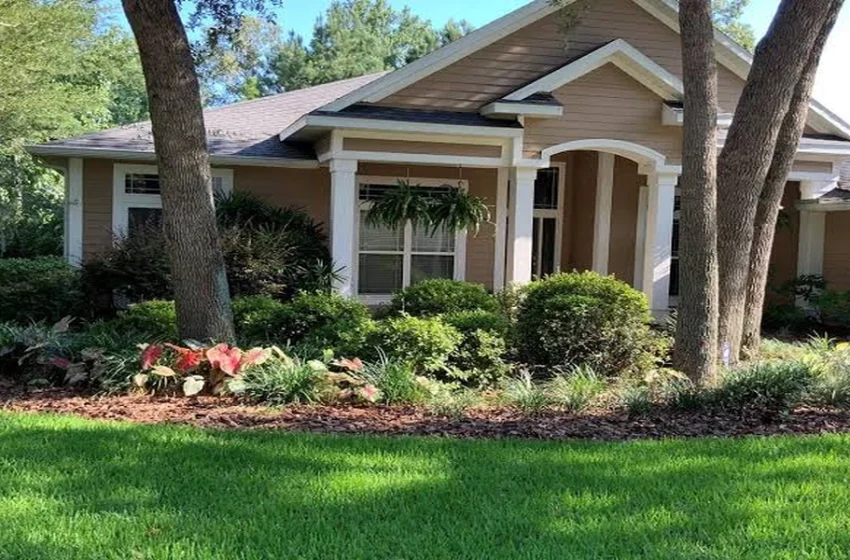
Three plants died before August. Sound familiar? Most South Florida homeowners don’t fail at gardening because they’re lazy. They fail because they picked the wrong plants for one of the most punishing growing environments in the country. The fix isn’t more fertilizer or a fancier irrigation timer. It’s a smarter plan built around what actually belongs here.
A genuinely low-maintenance front yard in South Florida looks effortless because someone made deliberate choices upfront: about structure, about species, and about how water moves through the design. Get those three things right and the yard largely runs itself. Miss any one of them and you’re back at the nursery by June.
This guide walks you through exactly how to do it, starting with why the common approach breaks down and finishing with a five-step planting plan you can execute on a single weekend.
Why So Many Florida Yards Are a Constant Battle
The core problem is simple: most people choose plants based on how they look at the garden center, not on whether they’re suited to South Florida’s specific combination of alkaline soil, salt air, punishing summer rain, and months of dry heat in winter and spring.
Water is the clearest symptom of a mismatched yard. Outdoor water use accounts for more than 30 percent of total household water use on average , according to the U.S. EPA’s WaterSense program. But in Florida, research shows some homes use significantly more than the national average, with high water users in some counties spending 60 to 70 percent of their total water use on irrigation , per a University of Florida study cited by UF/IFAS.
That number drops dramatically when the yard is planted correctly. Choosing regionally appropriate plants, according to the EPA’s WaterSense data, creates a water-smart landscape that is both beautiful and efficient. A yard packed with non-native tropicals that need constant watering is the expensive path. A yard designed around South Florida’s actual conditions is the easy one.
The Three-Layer Method
Good front yards in this climate share a structure. I call it the Three-Layer Method, and once you see it, you’ll spot it in every yard that looks put-together without looking fussed-over.
Layer 1: Anchor plants. These are your tall or structural specimens. A single Sabal palm, a clusia hedge, or a large firebush shrub. They give the yard its bones and stay interesting year-round without any seasonal replanting.
Layer 2: Mid-level fillers. These go in front of or around your anchors. Think muhly grass, coontie, or Simpson’s Stopper. They add texture, move with the breeze, and most of them genuinely don’t need much beyond getting established.
Layer 3: Ground-level color. Beach sunflowers, lantana, and blue porterweed belong here. They spread, they flower without prompting, and they attract pollinators. Keep them trimmed back twice a year and they do the rest.
The method works because each layer has a job, and none of them depend on perfect weather, weekly feeding, or a homeowner who remembers to water every third day. Stack these layers with a 2-to-3-foot gap between each plant at planting time and the design fills in naturally over one growing season.
Choosing Plants That Actually Belong Here
Here’s where most planning guides go generic. “Use native plants” is true but not useful until you know which ones work in the specific conditions of your yard: sun exposure, drainage behavior, and proximity to saltwater.
For shaded areas near the house, coontie (Zamia integrifolia) is almost impossible to kill once established. It’s one of Florida’s oldest native plants and is adapted to the rocky, fast-draining limestone soils common across Miami-Dade and Broward. Once established, drought-tolerant shrubs can survive off rainfall alone in many Florida landscapes , as the UF/IFAS Extension has documented for Zone 9 species. For full sun along the front walkway, beach sunflower handles heat, drought, and salt spray with no complaints. Saw palmetto anchors a corner bed beautifully and doubles as wildlife habitat.
If you want an actual species list matched to South Florida’s USDA hardiness zones, the curated recommendations for drought-tolerant plants in Florida Zone 9, published by UF/IFAS Extension, break down options by category from grasses to shrubs to perennials. That list is a practical starting point you can take to any local nursery.
And if you’d rather hand the selection work to someone who knows the local microclimate well, professional guidance pays off. A resource like the curated list of low maintenance landscape plants for South Florida from Plant Professionals cuts through the guesswork with regionally proven picks.
“Selecting drought-tolerant plants for your yard will ensure an aesthetically pleasing landscape that can survive dry periods in the spring and fall.” – UF/IFAS Extension, Orange County, University of Florida
The Real Stakes: Water, Time, and Money
Before we get to the five-step plan, it’s worth being direct about what’s at stake beyond aesthetics. At least 50 percent of Florida household water usage goes to landscape irrigation , according to the UF/IFAS Florida-Friendly Landscaping program. Swap out your thirsty non-natives for well-chosen Florida-adapted plants and you’re not just saving effort. You’re cutting a significant portion of your monthly water bill, permanently.
Environmental math matters too. Water demand already exceeds supply in some parts of Florida, and projections show the state could double its current water usage by 2070 if population growth, water-use habits, and irrigation practices do not change , per the UF/IFAS Florida-Friendly Landscaping program report. Low-maintenance landscaping isn’t a lifestyle choice. In South Florida, it’s becoming a civic one.
A Practical Planting Plan in Five Steps
- Map your sun and shade. Walk your front yard at 9 a.m., noon, and 4 p.m. and note where the sun actually falls. Most people overestimate how much sun their yard gets. Plants chosen for the wrong light level fail regardless of how tough they are.
- Check your drainage. Pour a bucket of water on the ground where you plan to plant. If it pools for more than 30 minutes, you have poor drainage. Pick species tolerant of wet feet for those spots, or build a raised bed.
- Place your anchors first. Put your tall or structural plants in the ground before buying anything else. Everything else gets designed around them.
- Fill in with mid-level natives. Use the Three-Layer Method above. Space generously. Crowded plants become unhealthy plants within two wet seasons.
- Mulch everything. A three-inch layer of mulch around every plant bed locks in moisture, suppresses weeds, and keeps soil temperatures stable through both the dry winter and the blazing summer. This single step cuts maintenance more than almost any plant choice.
Quick Plant Layer Comparison
| Layer | Example Species | Light Needs | Salt Tolerance | Water After Establishment |
|---|---|---|---|---|
| Anchor | Sabal Palm, Clusia | Full sun | High | Rainfall only |
| Mid-level | Coontie, Muhly Grass | Full sun to part shade | Moderate | Minimal supplemental |
| Ground-level | Beach Sunflower, Lantana | Full sun | High | Rainfall only |
Note: “Rainfall only” applies after a full establishment period, typically 3 to 6 months for shrubs and perennials in South Florida’s sandy or rocky soils.
The Establish-Then-Ignore Scenario
Here’s what a well-planned South Florida front yard actually looks like in practice. You plant in October, just as the dry season starts, so the roots have cooler months to settle in before summer heat. You water twice a week through November and December. By February you’re down to once a week. By April, after a few good spring rains, you stop watering entirely. The coontie looks the same in July as it did in March. The saw palmetto didn’t blink for two weeks without rain. The muhly grass put up its pink plumes in September without you doing a single thing to encourage it.
That’s not luck. That’s what happens when you match the plant to the place and give it time to root in. The front yard that looks like it takes hours every weekend almost always just took one smart weekend of planning at the start.
Ready to stop replacing plants and start actually enjoying your yard? Build the Three-Layer structure, go native where you can, and give your selections one full growing season before you judge them. South Florida rewards patience more than effort.
