How seed-to-sale records work for wholesale hemp flower?
- Hemp Products
Ferina Jenny
- 0
- 4 minutes read
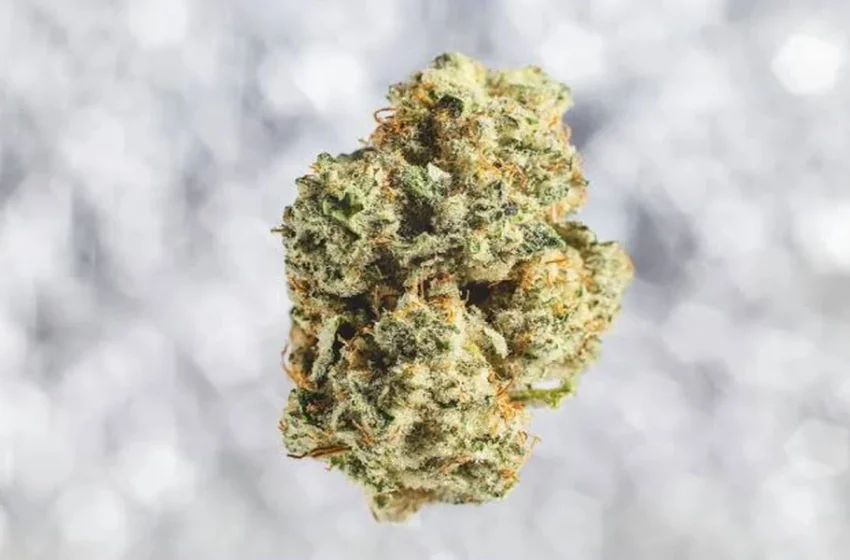
Seed-to-sale records in wholesale hemp flower procurement provide a documented chain covering every stage from cultivation origin through to the point of wholesale supply. These records function as procurement verification instruments rather than administrative formalities. Buyers sourcing thc flower through wholesale channels use seed-to-sale documentation to verify batch traceability, confirm compliance at every supply chain stage, and assess supplier operational discipline before purchase agreements are finalised.
Seed origin records
Seed origin records document the genetic starting point of each hemp crop entering the wholesale supply chain. Seed variety, supplier of origin, and planting date form the first entries in the chain, establishing the cultivar identity that all subsequent documentation must connect to without interruption. Wholesale buyers cross-reference seed origin entries against the genetic strain classification presented in the certificate of analysis to confirm that strain identification reflects the cultivar recorded at planting rather than assigned during post-harvest processing. Cultivation method recorded alongside seed origin indicates whether the crop was grown under controlled indoor conditions, greenhouse management, or open field cultivation. This distinction carries direct implications for cannabinoid consistency and trichome development across the batch, both of which affect the quality assessment applied before purchase confirmation. Seed origin records that cannot be connected to the specific batch being purchased through a continuous document chain are treated as incomplete traceability at the wholesale stage.
Processing chain verification
Processing chain verification examines every documented stage between harvest completion and the wholesale packaging seal. Each entry is reviewed as a sequential checkpoint rather than a background reference within the broader seed-to-sale record.
- Harvest date records confirm the batch falls within the currency window applied to wholesale laboratory documentation requirements.
- Drying and curing process entries verify whether temperature and humidity controls were maintained throughout the post-harvest holding period.
- Trimming method documentation confirms whether hand or machine trimming was applied, which directly affects cut precision and trichome surface condition across the batch volume.
- Packaging seal date records establish the interval between final processing completion and wholesale supply, which affects moisture stability at the point of delivery.
Any gap between sequential entries in the processing chain is flagged during review. Suppliers who cannot account for undocumented intervals between processing stages are required to provide a written explanation before the batch advances to physical assessment or pricing discussion.
Wholesale buyer review
Wholesale buyer review applies seed-to-sale documentation as a structured verification process in which each stage must connect to the next through original records rather than verbal summaries or retrospective confirmations. Buyers confirm document continuity from seed origin through the processing chain to the packaging seal before any purchase discussion begins.
Gaps identified during review are raised directly with the supplier before any agreement is signed. Suppliers unable to produce complete, connected seed-to-sale documentation for the specific batch under consideration are not advanced to volume or pricing discussions, regardless of physical product presentation. Buyers who apply this review consistently across every procurement cycle establish supplier relationships where complete traceability is treated as a fixed procurement requirement rather than a documentation preference that varies between individual orders.
