What to Do Right Away If a Storm Compromises Your Roof
- Home
Robert Desauza
- 0
- 7 minutes read
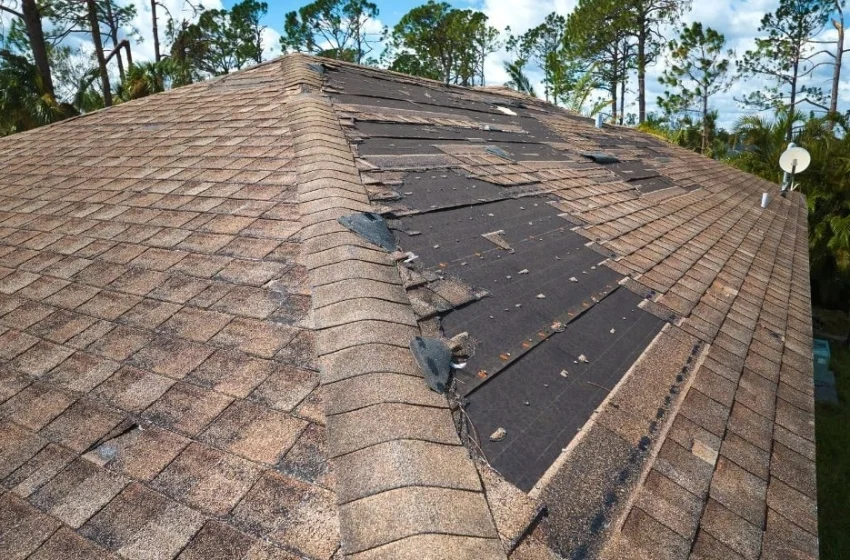
A storm can leave your roof vulnerable even when the damage looks small at street level. Loose shingles, lifted flashing, and punctures can let water spread into insulation within minutes. The fastest way to reduce repair costs is to act with a simple, safe plan.
When leaks appear or panels lift, emergency roof repair services can stabilize the roof and reduce secondary damage. Until a professional arrives, focus on indoor protection, careful documentation, and safe access control. The steps below keep the situation manageable while you plan a permanent repair.
Put Safety First and Avoid Roof Access
After a storm, hazards can include slick surfaces, hidden holes, and unstable sections near roof edges. Stay off the roof and use binoculars or a phone zoom to check visible damage. If you see downed lines or smell burning, call local emergency support right away.
Block access to rooms with sagging drywall or heavy dripping near light fixtures. Water adds weight fast, and ceilings can fail without warning. A cautious approach protects your household and prevents injuries during stressful conditions.
Stop Interior Water Damage Fast
Interior protection buys time and limits restoration costs after heavy rainfall. Use buckets, towels, and plastic sheeting to control water movement inside. The bullet points below outline quick steps that reduce damage without roof access.
- Place buckets under active drips and empty them before overflow creates floor damage.
- Move electronics and furniture away from wet zones to reduce shock risk and staining.
- Use plastic covers over valuables and tape edges to protect surfaces from splashes.
- If safe, release a ceiling bubble with a small drain hole to reduce collapse risk.
Document Damage for Insurance and Contractors
Strong documentation supports claims and helps contractors plan accurate repairs. Take clear photos of rooflines, missing shingles, dented vents, and debris impact points. Capture interior signs too, such as stains, wet insulation, and damaged drywall.
Write down the date and the time you first noticed water intrusion or missing materials. Save receipts for tarps, buckets, fans, and any supplies used for interior protection. This record helps reduce disputes and speeds up communication with your insurer.
Call a Qualified Roofer for Assessment
A professional inspection confirms what failed and what needs immediate attention under the surface. Crews check decking, underlayment, and flashing details that can cause repeat leaks after the next rain. Emergency roof repair services can also include tarping, temporary seals, and fast stabilization steps.
Ask for a written scope that lists repairs, materials, and the planned sequence of work. Clear details help you compare bids and avoid unexpected charges later. Choose a contractor who explains the plan in plain language and answers questions directly.
Secure the Exterior Without Risky Shortcuts
Temporary exterior protection reduces water intrusion and keeps damage from spreading. A roofer may install a tarp and secure it correctly along ridges and edges. The bullet points below explain safe outdoor actions that support repair crews.
- Clear a path for ladders and materials by moving vehicles away from the work zone.
- Photograph fallen limbs and impact points before you remove debris from the yard.
- Remove small gutter debris only if you can reach it safely from the ground.
- Call your utility provider if any lines hang low near the roof edge.
Plan the Next Steps After Stabilization
After the roof is stable, review repair versus replacement based on roof age and damage extent. Ask about improved flashing, upgraded underlayment, and ventilation checks that support long-term performance. A clear plan helps you schedule work and protect the home before the next storm.
Storm roof damage requires quick, careful action that prioritizes safety and limits water intrusion inside. Document the situation, protect interiors, and rely on qualified professionals for stabilization and repair. With a clear plan, you reduce stress and protect your home’s value for the long term.
