Jobsite Hygiene Services Supporting Health Focused Construction Teams
- Construction
William N. Ferranti
- 0
- 4 minutes read
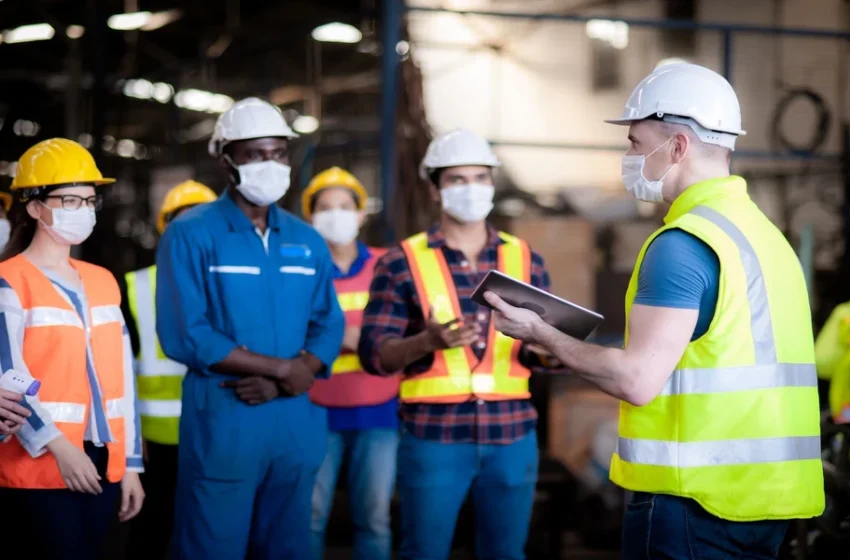
Healthy crews accomplish better work every single day. Clean surroundings reduce avoidable health concerns before they interrupt daily operations. Practical hygiene planning deserves equal attention alongside equipment safety and site organization. Every reliable construction project benefits from dependable sanitation practices and thoughtful facility management. Businesses seeking dependable hygiene solutions can visit website for suitable service options.
How do hygiene services strengthen construction performance?
Every active project gathers dust, debris, moisture, and shared contact surfaces. Workers spend long hours handling materials across changing site conditions. Fresh handwashing stations reduce contamination before meal breaks begin.
Clean restroom facilities encourage better personal habits throughout demanding schedules. Small improvements create noticeable workplace comfort. Better sanitation often prevents interruptions caused by avoidable illness, helping crews maintain steady productivity across every working week.
Clean facilities encourage stronger workforce confidence
Workplace hygiene influences far more than physical cleanliness. Employees notice regular servicing because visible care builds trust across every shift. Visitors also recognize organized facilities before inspecting completed work.
Key features include:
- Fresh water availability near active zones.
- Restroom servicing matching workforce size.
- Waste collection following planned schedules.
- Soap supplies checked during maintenance visits.
- Clear access without unnecessary walking.
Reliable sanitation reflects careful project management rather than simple compliance.
Which hygiene practices deliver lasting site value?
Portable toilets alone never complete workplace sanitation. Handwashing facilities, waste removal, and scheduled inspections create stronger health protection together. Contractors choosing experienced providers often visit website before comparing maintenance plans suited for different project requirements. Regular servicing keeps facilities usable during changing workloads, while prompt cleaning prevents minor issues from becoming larger operational distractions across busy construction environments.
Practical planning creates healthier working conditions
Effective hygiene begins before construction activities accelerate. Site managers estimate workforce numbers before selecting sanitation equipment. Proper placement reduces walking distances and encourages frequent facility use.
Helpful planning includes:
- Position stations beside break locations.
- Separate waste from storage materials.
- Schedule servicing before heavy activity.
- Replace damaged equipment without delay.
Simple preparation reduces avoidable inconvenience throughout every construction stage. Teams appreciate facilities remaining clean despite demanding daily workloads.
Why clients notice sanitation standards immediately
Organized hygiene leaves a lasting professional impression. Clean facilities suggest careful attention across broader project responsibilities. Inspectors move comfortably between work areas without unnecessary concerns. Delivery personnel experience safer surroundings during regular site visits. Strong sanitation habits strengthen business reputation because visible cleanliness reflects disciplined operational standards rather than temporary presentation efforts.
FAQs
How often should portable facilities receive maintenance?
Service frequency depends upon workforce numbers, project duration, and daily usage. Larger crews require shorter maintenance intervals for dependable cleanliness.
Does hygiene affect construction productivity?
Healthy employees lose fewer working hours through preventable illness. Comfortable facilities encourage better focus during physically demanding responsibilities.
Which facilities deserve highest priority?
Portable toilets, handwashing stations, waste collection, and stocked hygiene supplies create the strongest foundation for healthier workplaces.
Cleaner projects leave stronger professional impressions
Workers remember projects where facilities remained clean despite heavy daily use. Clients notice orderly sanitation before reviewing construction quality, creating confidence from the first visit. Those practical details shape lasting business relationships because visible care reflects genuine operational discipline rather than temporary appearance. Teams performing within healthier surroundings carry stronger habits into future projects, raising expectations across every new construction site.
