Where Carbon Monoxide Detectors Actually Belong in an Atlanta Home
- Home Improvement
William N. Ferranti
- 0
- 8 minutes read
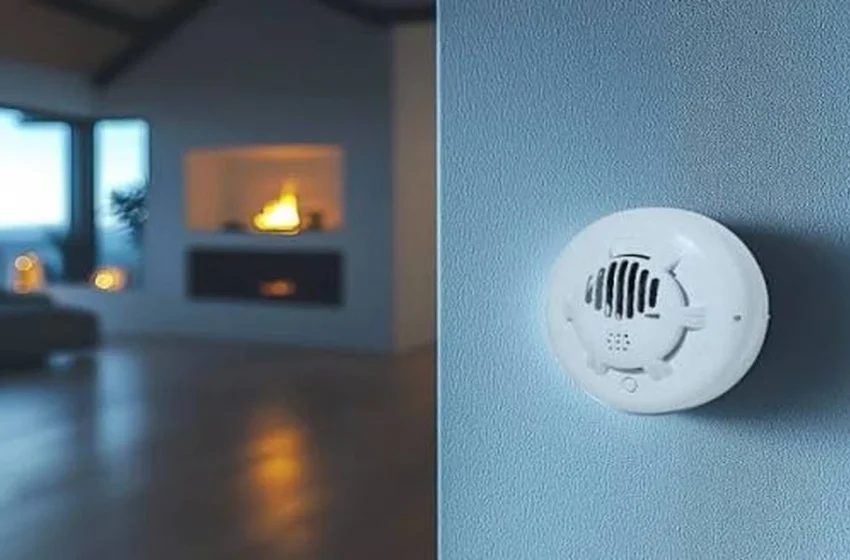
Two carbon monoxide alarms sat in the wrong spot in a Buckhead bungalow for six years, and nobody noticed until a technician walked the house and pointed at the ceiling. One hung above a drafty window in a hallway. The other sat roughly forty feet from the gas furnace it was supposed to watch. Both alarms worked fine. Both were nearly useless.
That’s the part most checklists skip. Buying a detector is the easy half. Putting it where the gas actually collects, and where you’ll actually hear it at 2 a.m., is the half that saves lives, and it’s why homeowners across the metro increasingly have a pro handle placement while arming carbon monoxide detectors in Atlanta alongside the rest of their security panel. Your house has its own airflow personality, and it usually isn’t the one the box drawing assumes.
The Four Perimeter Rule for real placement
Here’s the framework I use when I think about a two story Atlanta home: one detector per enclosed sleeping area, one on every level including the basement, one within earshot of each fuel-burning appliance, and one in the attached garage transition zone. Four zones. Walk them before you drill anything.
Inside or just outside each bedroom cluster goes first, because the alarm has to reach a sleeping person through a closed door. Inside a bedroom is better than outside one when you only have a single unit per floor. Basements count as a level, and finished basements with a water heater or furnace tucked in a closet are the ones people forget.
The appliance zone needs care. Put the detector within about ten to fifteen feet of a gas furnace or water heater, but not directly above the unit itself, where a puff of exhaust on startup can set off nuisance alarms and train you to ignore the thing. It’s not a decoration. It’s a sensor, and it wants clean air.
The garage transition gets its own mention because Atlanta’s attached garages often sit beside a hallway or mudroom door. A car running for two minutes while you load groceries can push CO into that space. One detector near the door that leads inside, mounted on the wall between four and twelve inches off the ceiling, covers that path.
Where not to put one
Skip the dead space in the corners where the wall meets the ceiling. Skip the window. Skip a spot directly above a stovetop, a wood-burning fireplace, or a kerosene heater, since cooking smoke and combustion odors can trip the sensor. And skip the bathroom, where shower steam does the same thing.
This is the section that makes people groan, but I’d rather you move a detector twice than trust one that chirps every time you burn toast.
Why an Atlanta house is a little different
Most climate guidance for homes is written for cold weather states. Georgia sits in Climate Zone 3, which means long cooling seasons and mild transition months, and that shifts which appliances carry the risk. According to baseline energy data from the Environmental Protection Agency, heating and cooling dominate household energy use, so your furnace and your air handler run hard, and the air handler is the thing moving CO around your house.
Here’s the combination I see most in metro homes: an older gas furnace in a closet or crawlspace, a water heater in the attic, and a tightly sealed house built in the last twenty years. Tight construction holds conditioned air in, which is great for the power bill and terrible for dilution of combustion gas. A leaking flue in a drafty 1950s house might dissipate. In a sealed crawlspace home in Decatur, it concentrates.
Two seasonal windows deserve a calendar reminder. The first cold snap in November or December, when a furnace that sat idle for months fires up for the first time. And the first hot week in May, when the attic water heater starts cycling and the house closes up for the summer. Inspect the appliances right before each one.
Renting, renting out, or sold on a service plan
If you rent inside the Perimeter, check the lease and check the ceiling. Renters have the same right to a working alarm as owners, and asking for one by name is a normal request, not an accusation. If you own a rental property, treat detectors as part of your turnover checklist: test the unit, look for the manufacture date, and replace anything past its service window.
For everyone else, the alarm is only half the system. A standalone unit screams inside the house while you’re at work in Midtown. A monitored detector tied to a security panel sends a signal to a 24/7 center that can send help the second it trips. That difference matters most in a household where someone is home alone during the day, or where a basement tenant lives below the main floor.
Your ten minute maintenance loop
Test each unit by pressing the test button on the first of every month, which takes two minutes and should be part of the routine after the rent check. Listen for a different beep pattern: when it comes to low battery versus end of life versus gas detected, they don’t sound the same, and the manual for your model will tell you which is which.
Vacuum the slots twice a year with a brush attachment. Dust clogs the sensor, and a dusty detector becomes a slow liar. Replace the alarm itself before the manufacturer’s replacement date printed on the back, regardless of how well it tests.
One addition worth the cash: a plug-in or battery backup model with a digital readout of the parts per million. The display tells you when the sensor is drifting low and building up a sensitivity problem with age. Part of the value of a coupled sensor is that a low level reading can catch an issue before the alarm threshold is reached, so watch the numbers and watch for a U.S. Fire Administration recommendation to replace any unit that shows a low reading.
| Spot | Place it | Skip it |
|---|---|---|
| Near bedrooms | Inside the sleeping room, or in the hall just outside the door | A distant guest bath |
| Near the furnace | Ten to fifteen feet from the unit, on the ceiling or high wall | Directly above the flue |
| Basement level | At the base of the stairs or in the finished room | A sealed utility closet with no airflow |
| Garage to house door | Wall mount, four to twelve inches from the ceiling | Inside the detached garage itself |
Pick the placement that beats the brochure
The alarm that matters is the one close enough to the source to catch it, high enough in the room to hear the buildup, and loud enough to get you out of bed. If you can cover the whole house with four well-placed units and tie two of them to a monitored panel, you’ve built something a box of bargain alarms can’t match. Your house already has its own airflow quirks. Go find them, walk the four zones, and mount accordingly.
When was the last time you actually pressed the test button on the detector above your furnace closet? If you can’t put a date on it, that’s your next five minutes.
