How Animal Hospitals Support Long Term Pet Wellness
- Pet Health
William N. Ferranti
- 0
- 7 minutes read
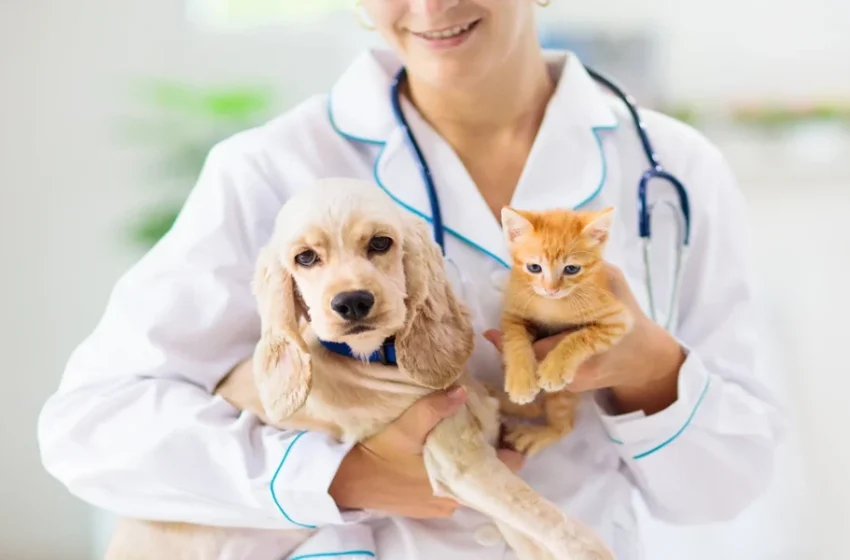
You know your pet’s routines better than anyone. You notice when the appetite changes, when the walk gets shorter, when the cat that always jumped to the window suddenly hesitates. That low level worry can sit in the background for weeks because life is busy and the signs are easy to explain away. Then one small issue turns into a bigger one, and the stress gets heavier than it should have been, which is why contacting a Kenosha animal hospital early can make a real difference.
That is where How Animal Hospitals Support Long Term Pet Wellness becomes more than a nice idea. Regular care helps catch problems early, keeps treatment simpler, and gives you a clearer plan for each stage of your pet’s life. An animal hospital is not only for emergencies. It is where prevention, monitoring, and day to day guidance come together so your pet has the best chance at a longer, steadier, more comfortable life.
Animal hospitals build long term pet health through prevention and early detection
Many health problems start quietly. Dental disease can begin with mild bad breath and end in pain, infection, and trouble eating. Weight gain can look harmless until it starts affecting joints, blood sugar, and heart function. A yearly exam may seem routine, but it often reveals the first signs of trouble before your pet is clearly sick.
That timing matters. When a veterinarian tracks your pet over time, they can compare weight trends, lab results, mobility, skin changes, and behavior patterns. One visit tells part of the story. Several visits over the years show the whole pattern. That is how long term pet health care works. It is less about reacting to crisis and more about seeing small changes early enough to act.
Vaccines are a clear example. Some owners put them off because their pet looks healthy or stays indoors most of the time. The risk feels distant until exposure happens through grooming, boarding, a visitor’s pet, wildlife, or a simple trip outdoors. The importance of vaccines is not limited to preventing one infection. Vaccination supports a wider wellness plan by reducing avoidable illness, protecting vulnerable pets, and lowering the chance of expensive emergency care later.
Pet wellness support from an animal hospital reduces stress during life changes
Pets do not live in a bubble. They age, move homes, travel, start new diets, recover from surgery, and develop conditions that need ongoing follow up. During those changes, guesswork gets expensive. You may be trying to decide whether your senior dog’s stiffness is normal aging or arthritis. You may wonder if your cat’s drinking habits are a quirk or a warning sign. You may be planning international travel and suddenly realize the paperwork, timing, and health requirements are far more strict than expected.
An animal hospital helps make those decisions less chaotic. For travel, veterinarians can guide timelines for exams, records, and certificates, which matters because requirements can change by destination and timing is often strict. The USDA offers a clear pet travel process overview and answers to common concerns in these frequently asked questions about traveling with your pet. A hospital team can help connect those rules to your pet’s actual medical needs, so you are not left sorting through deadlines on your own.
This kind of support also matters for chronic issues. Allergies, thyroid disease, kidney disease, arthritis, and diabetes rarely resolve in one visit. They need rechecks, medication adjustments, lab work, and honest conversations about what is realistic at home. A strong relationship with an animal hospital gives you continuity, and continuity often means fewer surprises.
Routine care and reactive care lead to very different outcomes
Waiting until a pet seems clearly unwell is common, especially when costs are on your mind. The problem is that delayed care often leads to more testing, more pain, and fewer simple options. Preventive visits do cost money, but they usually cost less than treating advanced illness that could have been caught months earlier.
| Approach | What It Usually Looks Like | Likely Impact on Pet Wellness | Cost Pattern |
|---|---|---|---|
| Routine wellness care | Annual or semiannual exams, vaccines, dental checks, weight monitoring, baseline lab work | Earlier detection, steadier management, less pain, better quality of life | More predictable, spread out over time |
| Reactive care only | Visits only when symptoms are obvious, skipped follow ups, limited preventive screening | Later diagnosis, more advanced disease, narrower treatment options | Less predictable, often higher during emergencies |
The difference is not only medical. It changes your experience too. When you already have a hospital that knows your pet’s history, a new symptom is easier to assess. There is less scrambling, less repeating your story, and less fear that you are starting from zero.
Three steps you can take now to support lifelong pet care
Schedule a wellness exam before there is a crisis. If your pet has not had a recent checkup, start there. Bring notes on appetite, energy, bathroom habits, behavior, and any changes you have seen. Small details help more than most owners realize.
Ask for a stage of life care plan. Puppies, kittens, adults, and seniors do not need the same schedule. Ask what screenings, vaccines, dental care, and nutrition guidance make sense for your pet right now and what should be watched over the next year.
Keep records organized. Save vaccine dates, medication lists, lab results, and travel documents in one place. If boarding, travel, surgery, or an emergency comes up, you will move faster and with less stress.
Long term wellness starts with steady veterinary support
Your pet depends on you to notice when something is off, but you do not have to carry every decision alone. Veterinary support for pets works best when it is ongoing, familiar, and built around prevention as much as treatment. The goal is simple. Fewer avoidable problems, earlier answers, and more good years with the animal who trusts you completely.
If your pet is due for care, reach out to a local animal hospital and set up a wellness visit. That one appointment can give you a clearer picture, a practical plan, and some peace of mind.
