5 Remodeling Ideas That Help Homes Feel Larger and More Comfortable
- Home
Robert Desauza
- 0
- 4 minutes read
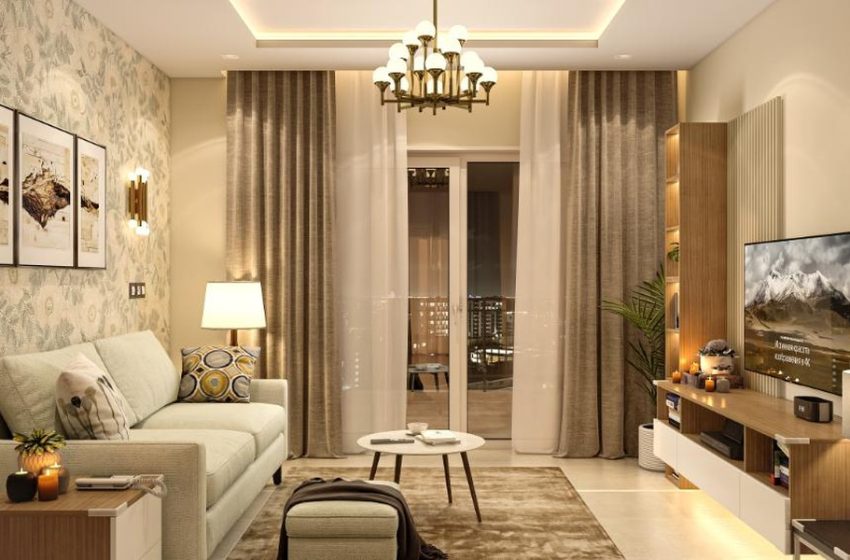
A house can begin to feel crowded even when square footage remains unchanged. Poor layouts, dark rooms, and limited storage may affect comfort while making daily routines less efficient. Thoughtful remodeling can transform how a home feels without requiring a major addition.
Homeowners who ask, “What are the top remodeling trends for modern homes?“ usually want practical solutions that improve comfort while maximizing available space. Several remodeling ideas focus on openness, functionality, and better use of existing square footage.
1. Hidden Walls That Limit Everyday Space
Walls sometimes separate spaces that could function better together. Dining rooms, kitchens, and living areas may feel disconnected when unnecessary barriers interrupt movement and visibility throughout the home. Removing selected walls can create a stronger connection between major gathering spaces. Open layouts allow natural light to travel further while making rooms feel larger. Families may also benefit from improved interaction during meals, entertaining, and everyday activities.
2. Sunlight Paths That Change Room Perception
Natural light has a powerful effect on how large a room feels. Dark interiors can make spaces appear smaller, while brighter environments create a greater sense of openness and comfort. Larger windows, glass doors, and skylights help distribute daylight throughout the home. These upgrades may improve views, reduce dependence on artificial lighting, and create a more welcoming atmosphere across multiple rooms.
3. Dead Corners That Can Become Useful Space
Unused areas frequently exist in homes without homeowners realizing their potential. Empty corners, spaces beneath staircases, and awkward wall recesses can become valuable storage or functional living areas. Custom shelving, built-in cabinets, and storage niches help maximize every available inch. Better organization reduces clutter and improves efficiency, which may make rooms feel larger and easier to use throughout the day.
4. Room Layouts That Work Harder Every Day
Modern households frequently need flexible spaces that adapt to changing lifestyles. A guest room may also serve as a home office, while a family room may support study sessions, hobbies, and entertainment. Flexible layouts help homeowners gain more value from existing square footage. Furniture placement, storage solutions, and thoughtful room design may allow one area to support several purposes without sacrificing comfort or functionality.
5. Kitchen Designs That Reduce Daily Congestion
The kitchen remains one of the busiest areas in most homes. Poor traffic flow, limited storage, and cramped workspaces can affect how comfortable the entire home feels daily. Homeowners researching “What are the top remodeling trends for modern homes?“ frequently discover that kitchen improvements remain a popular priority. Larger islands, improved storage systems, wider walkways, and better workspace organization may help create a more comfortable environment for cooking and gathering.
How Expert Designers Help Maximize Remodeling Results
Experienced design professionals may help homeowners identify opportunities that are not immediately obvious:
- Evaluate layouts to improve space utilization
- Recommend design solutions that increase visual openness
- Identify underused areas that can serve practical purposes
- Coordinate lighting plans that improve room perception
- Balance aesthetics with everyday functionality
- Create remodeling plans that align with household needs
Professional guidance may help homeowners make decisions that improve both comfort and long-term value.
A home does not always need additional square footage to feel larger. Open layouts, improved daylight, creative storage solutions, flexible rooms, and efficient kitchen designs can dramatically improve comfort and usability.
Careful remodeling choices help homeowners maximize existing spaces while creating a more enjoyable living environment. Projects that focus on functionality and thoughtful design may provide lasting benefits for years to come.
